
In today’s evolving trade environment, seamless movement of goods is essential for the functioning of businesses across the world. General freight transport plays a major role in keeping supply chains stable, connected, and productive. From everyday consumer goods to industrial materials and retail stocks, the ability to move freight efficiently across borders ensures that manufacturers, suppliers, and global markets operate with minimal disruption. This blog explores how general cargo transport supports global supply chains and why it remains one of the most dependable modes of freight movement worldwide.
Understanding General Cargo Transport
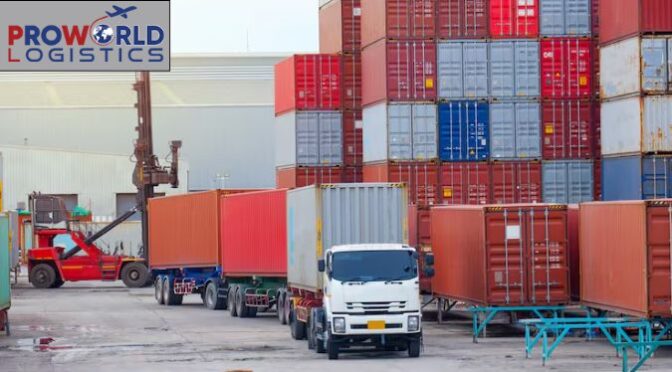
General cargo transport in Melbourne refers to the transportation of packaged, palletised, or containerised goods rather than bulk shipping. This may include machinery, textiles, electronics, building materials, packaged foods, and numerous other items used in daily life. Unlike bulk cargo, which is transported as raw materials in mass quantities, general cargo is handled more carefully, often requiring accurate planning, container security, document management, and skilled logistics handling.
Smooth Flow of Goods Across Borders
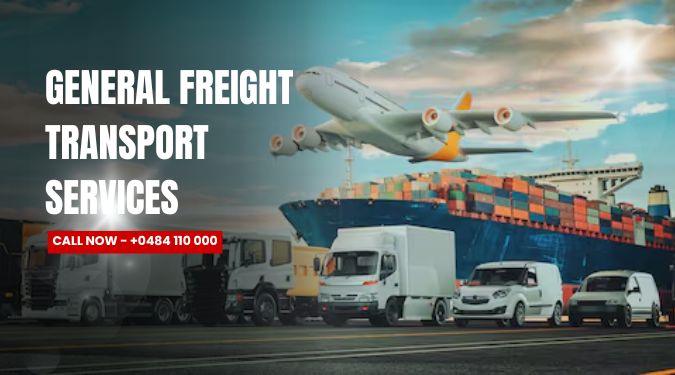
One of the strongest advantages of general cargo transport is its ability to move products across international routes with ease. Whether shipping goods by air, sea, road, or rail, a structured cargo network guarantees timely delivery to their destination. This ease of transportation is a key factor in maintaining balanced inventory levels for global businesses. When production facilities receive raw materials without delay, manufacturing remains consistent, and distribution continues smoothly, which keeps supply chains strong and uninterrupted.
Flexibility for Businesses of All Sizes
General Freight Transport offers scalability and flexibility, making it suitable for both small exporters and large multinational corporations. With access to multiple transport modes, businesses can choose based on shipment size, urgency, and budget. A company exporting machinery may prefer sea freight for cost efficiency, while smaller urgent consignments may be sent via air. This flexibility ensures operational freedom and makes it easier for businesses to respond to market demands and global shifts.
Efficient Warehousing and Inventory Management
Global supply chains depend heavily on warehousing efficiency, and general cargo transport in the Sunshine Coast contributes significantly through streamlined container handling, storage, and distribution. Modern logistic hubs allow goods to be consolidated, sorted, and dispatched with minimal handling time. This reduces the risk of loss or damage and ensures stock availability across multiple locations. Fast movement of freight means reduced lead times, with a major advantage for manufacturers operating on a just-in-time model.
Technology Enhancing Cargo Visibility
Supply chain transparency is more important than ever, and technological advancements in tracking systems have transformed general freight transport in the Gold Coast. Real-time GPS monitoring, automated data logging, and digital documentation allow businesses to track their shipment’s status at every step. Improved visibility reduces risk, speeds up customs clearance, and enables companies to make informed decisions during the transit process.
General cargo transport is a vital pillar of global trade, enabling continuous product movement, supporting manufacturing cycles, and maintaining retail distribution. Its flexibility, visibility, reliability, and international reach make it an essential component of modern supply chains. As global markets expand, the role of streamlined general freight transportation will continue to grow, which helps industries operate confidently, efficiently, and competitively.
Get In Touch With Us Today
Contact Proworld Logistics today and experience streamlined general cargo transport that keeps your supply chain moving strong. For more information, contact us at 0484 110 000 or email us at jknoll@proworldlogistics.com.au.
FAQ: Why Is General Cargo Transport Important for Global Supply Chains?
- What is General Cargo Transport?
General cargo transportation refers to the movement of packaged, palletised, or containerised goods rather than bulk raw materials. It handles products like machinery, electronics, textiles, automobile parts, food items and more.
- How does general cargo transport support global supply chains?
It enables the smooth movement of goods across borders, maintains inventory flow, strengthens international trade links, and ensures manufacturers and retailers receive stock on time.
- Why is general cargo transport important for international trade?
This is due to its ability to ensure the timely delivery of goods worldwide, thereby enhancing the efficiency and consistency of production cycles, retail distribution, and commercial operations.
- What kinds of goods fall under the purview of general cargo transport?
Any item that can be packaged, crated, or containerised includes appliances, machinery, electronics, clothing, food products, hardware, and consumer goods.
- How does cargo transport improve supply chain flexibility?
Businesses can scale shipments based on sizes, budgets, and urgency. They may choose air, sea, road or rail, depending on delivery timelines and cost advantages.
- Does General Cargo Transport offer cost benefits?
Yes. It optimises cargo handling, reduces transportation expenses, and allows businesses to select cost-effective modes for small or large shipments.
- How does warehousing support supply chain efficiency?
General cargo is stored, sorted and dispatched through streamlined logistic hubs, reducing handling delays and ensuring products reach their destinations faster.
- Can General Cargo Transport reduce delivery risks?
Proper packing, secure containerisation, and professional handling minimise damage risks, making transit safer and more reliable.
- How does technology improve global cargo movement?
Real-time tracking, digital documentation, GPS monitoring and automated inventory systems ensure transparency, reduce error rates, and speed up customs processes.
- Is general cargo transport suitable for all industries?
Yes, from manufacturing and retail to automotive, construction, and FMCG. Any sector dealing with packaged, pallet-ready, or containerised freight benefits from it.

