

Freight movement is one of the most important parts of the supply chain for businesses across Brisbane, Adelaide, Canberra, and the rest of Australia. As customer expectations continue to rise, businesses are under pressure to deliver goods faster, reduce delays, and improve operational efficiency. Traditional freight management methods often involve manual processes, paperwork, and communication gaps that slow operations down.
Modern freight control systems are transforming the logistics industry by helping businesses save valuable time while improving accuracy and customer satisfaction. With advanced technology and streamlined processes, freight management has become more efficient than ever before.
Faster Shipment Tracking and Visibility
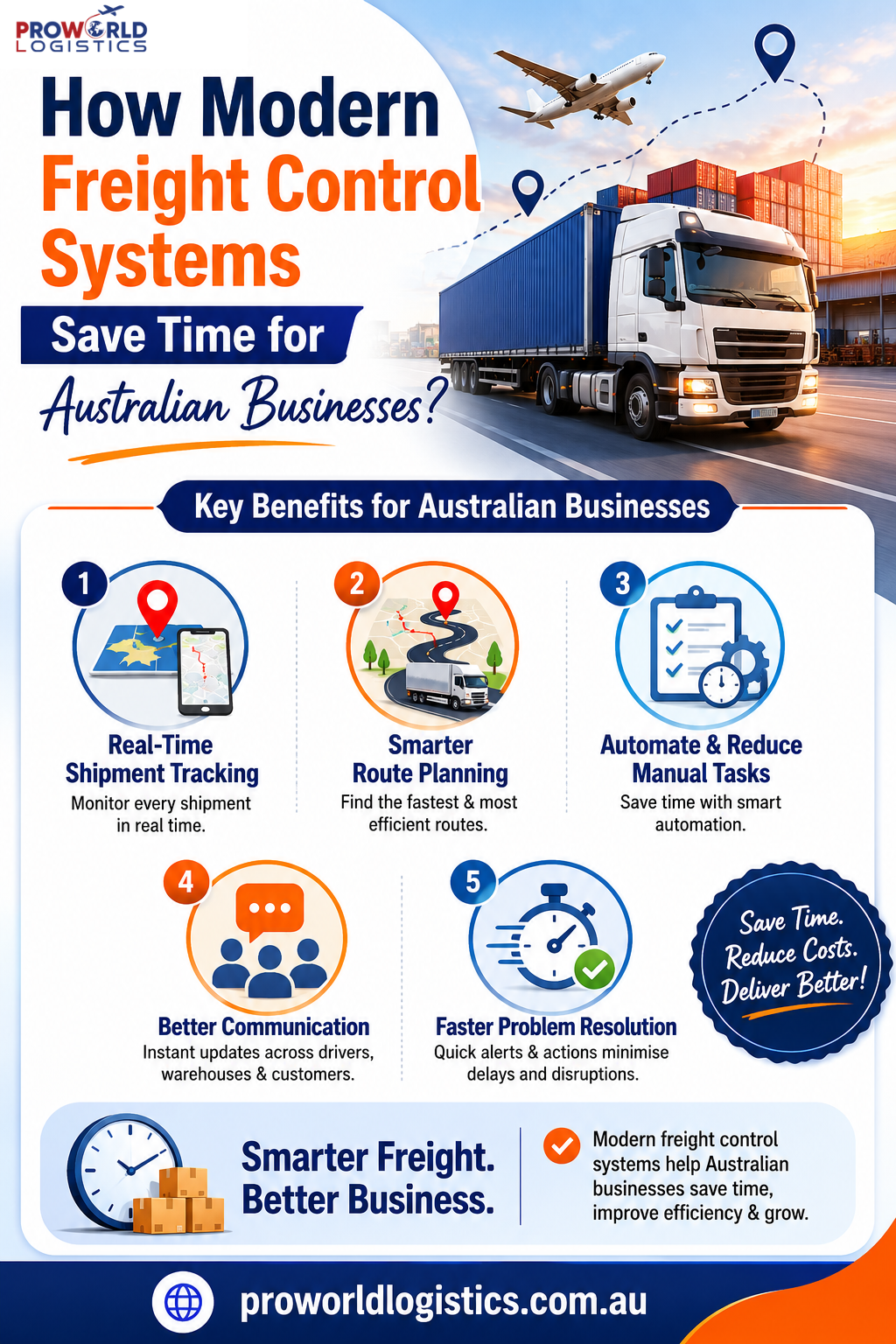
One of the biggest advantages of modern freight control systems is real-time shipment tracking. Businesses can monitor freight movements from dispatch to delivery through digital platforms that provide live updates.
In busy cities like Brisbane and Adelaide, where transport networks can become congested, real-time tracking helps logistics teams respond quickly to delays or route changes. This visibility reduces uncertainty and improves communication between warehouses, drivers, and customers.
Instead of spending hours making phone calls or checking paperwork, businesses can instantly access shipment information through a centralised system offered by a reputable freight transport company in Brisbane and other regions.
Improved Route Planning
Traffic conditions, fuel costs, and delivery schedules can significantly affect transport efficiency. Modern freight control technology uses route optimisation tools to identify the fastest and most efficient delivery routes.
For businesses operating across Canberra and regional Australia, this helps reduce travel time and fuel consumption while improving delivery reliability. Smart route planning also allows drivers to avoid traffic congestion, road closures, and unnecessary detours.
By reducing wasted travel time, companies can complete more deliveries within shorter timeframes.
Reduced Manual Administration
Traditional freight management often involves time-consuming paperwork, manual data entry, and repetitive administrative tasks. These processes can slow down operations and increase the risk of human error.
Modern freight control systems automate many of these functions, including invoicing, scheduling, dispatch updates, and delivery confirmations. Automation allows logistics staff to focus on more important operational tasks instead of handling paperwork.
Digital records also improve accuracy and make it easier for businesses to access historical shipment data when needed.
Better Communication Across Supply Chains
Communication delays are a common issue in logistics management. Miscommunication between drivers, warehouses, suppliers, and customers can lead to missed deliveries and operational disruptions.
Freight control systems improve communication by providing instant updates across all stages of the supply chain. Drivers receive updated delivery instructions quickly, while customers can track their shipments in real time.
This level of transparency offered by a freight transport company in Adelaide and other regions helps businesses build stronger relationships with clients and reduce service complaints.
Faster Problem Resolution
Unexpected transport issues such as vehicle breakdowns, weather disruptions, or delivery delays can impact freight schedules. Without modern systems, identifying and resolving these problems can take valuable time.
Modern freight control software alerts logistics managers immediately when issues occur. This allows businesses to respond quickly by rerouting deliveries, reallocating drivers, or updating customers about revised delivery times.
Faster response times help minimise operational disruptions and maintain customer satisfaction.
Improved Efficiency Through Data Analysis
Modern freight systems collect valuable operational data that businesses can use to improve performance. Reports on delivery times, fuel usage, driver productivity, and freight costs help companies identify inefficiencies and make better decisions.
A business hiring a trusted freight transport company in Canberra can use this data to optimise workflows, reduce unnecessary expenses, and improve overall transport efficiency.
The Future of Freight Management in Australia
As the Australian logistics industry continues to evolve, modern freight control systems are becoming essential for businesses that want to remain competitive. Companies that invest in advanced freight management technology can save time, improve delivery performance, and strengthen customer trust.
With growing demand for faster and more reliable transport services, modern freight control is helping businesses across Australia operate smarter and more efficiently.
Hire the Top Freight Transport Company
Proworld Logistics is the best logistics company that you can trust when it comes to freight transport. To hire us, call 0484110000. You can also get a free quote by clicking the Free Quote button at the top and filling out the form.
Freight control software uses real-time data and automated planning tools to coordinate dispatch times, delivery windows, and driver availability more efficiently, reducing scheduling conflicts and delays. Yes. Advanced freight management systems optimise delivery routes, minimise idle time, and reduce unnecessary travel distances, helping businesses lower fuel consumption and operating expenses. Real-time visibility allows businesses to monitor shipments instantly, respond to transport disruptions quickly, and provide accurate delivery updates to customers across Australia. Customers receive accurate tracking information, faster delivery updates, and better communication throughout the delivery process, which builds trust and improves overall service experiences. Retailers, wholesalers, manufacturers, construction suppliers, and e-commerce businesses all benefit from improved logistics coordination and faster freight movement. These systems automate tasks such as invoicing, shipment tracking, delivery confirmations, and reporting, reducing manual paperwork and improving operational accuracy. Yes. Modern freight management platforms are designed to support both metropolitan and long-distance freight operations across Brisbane, Adelaide, Canberra, and regional Australia. Businesses analyse transport data to identify delays, monitor driver performance, reduce operational inefficiencies, and improve future delivery planning. Modern systems provide instant alerts for delays, vehicle issues, or route changes, allowing logistics teams to respond quickly and minimise delivery disruptions. Businesses should evaluate scalability, ease of integration, reporting capabilities, real-time tracking features, and ongoing support to ensure the system matches operational requirements.Frequently Asked Questions About How Modern Freight Control Systems Save Time for Australian Businesses?

