
In today’s competitive logistics landscape, warehousing is no longer just about storing goods. It has become a critical component of supply chain success, influencing everything from inventory accuracy and order fulfilment to customer satisfaction and profitability. For logistics companies operating in Brisbane and Adelaide, robust warehouse management systems and processes are essential for maintaining efficiency and meeting growing customer expectations.
As businesses demand faster deliveries and greater visibility across their supply chains, effective warehouse management has become a key driver of long-term success.
The Evolving Role of Warehousing in Logistics
Warehouses serve as central hubs where products are received, stored, managed, and distributed. However, modern warehousing goes far beyond basic storage functions. Today’s logistics providers must ensure inventory accuracy, optimise space utilisation, process orders efficiently, and coordinate seamless movement of goods.
A well-managed warehouse acts as the foundation of the entire supply chain, helping logistics companies maintain operational control while delivering reliable services to their clients.
Improving Inventory Accuracy
Inventory accuracy is one of the most important aspects of warehouse management in Adelaide and other regions. Inaccurate stock records can lead to overselling, stock shortages, delayed deliveries, and dissatisfied customers.
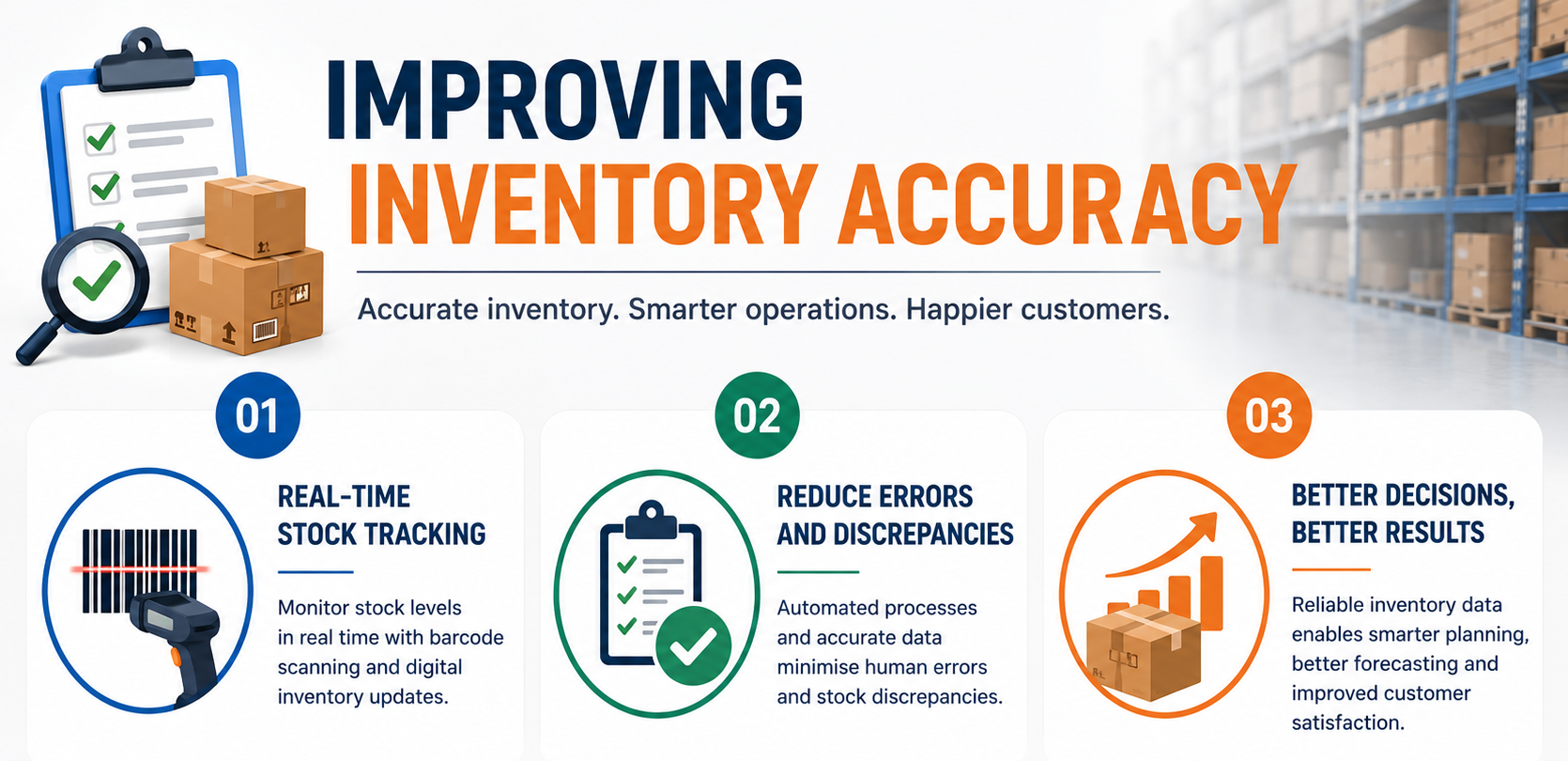
Robust warehouse management systems provide real-time inventory tracking, ensuring that stock levels are always up to date. Barcode scanning, automated stock allocation, and digital inventory monitoring reduce human errors and improve visibility across warehouse operations.
For logistics companies servicing Brisbane and Adelaide businesses, accurate inventory management helps build trust and supports more reliable supply chain performance.
Enhancing Order Fulfilment Efficiency
Customers expect their orders to be processed and delivered quickly. Delays in picking, packing, or dispatching can impact customer satisfaction and damage business relationships.
Effective warehouse management streamlines order fulfilment by organising inventory strategically and optimising picking routes. Automated workflows help warehouse teams process orders faster while maintaining high levels of accuracy.
By improving fulfilment efficiency, logistics companies can reduce turnaround times and meet increasingly demanding delivery expectations.
Maximising Warehouse Space Utilisation
Warehouse space is a valuable asset. Poorly organised storage systems can lead to wasted space, higher operating costs, and reduced productivity.
Robust warehouse management involves careful planning of storage layouts, inventory placement, and stock movement. Advanced systems can analyse inventory patterns and recommend optimal storage strategies that maximise available space.
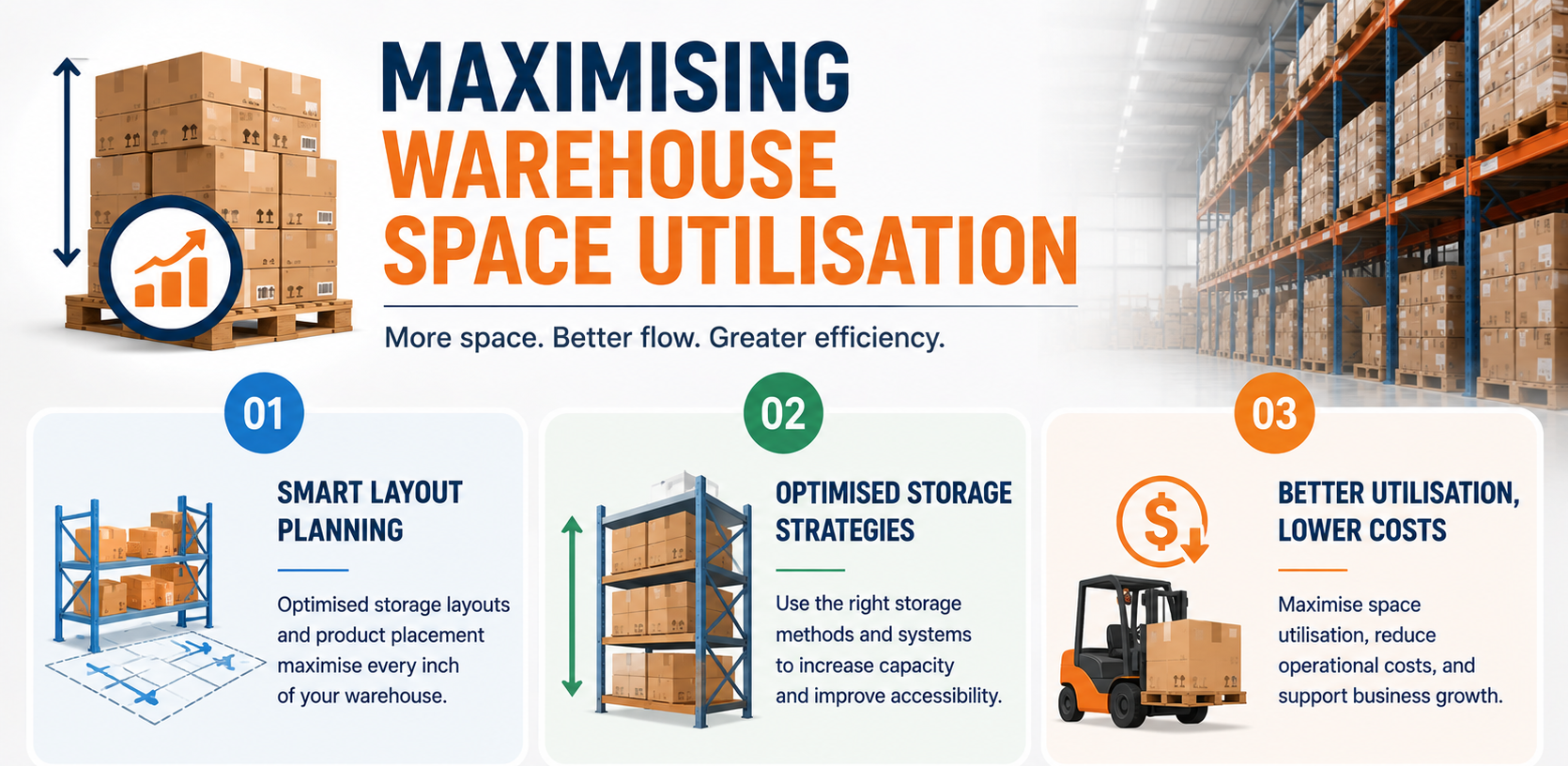
For logistics providers in rapidly growing markets such as Brisbane and Adelaide, efficient space utilisation can delay the need for costly warehouse expansions while supporting increased customer demand.
Supporting Scalability and Business Growth
As client requirements evolve, logistics companies need the flexibility to manage larger inventory volumes and higher order quantities. A scalable warehousing service in Brisbane allows businesses to grow without compromising efficiency.
Modern warehouse management systems can easily accommodate changes in demand, seasonal fluctuations, and business expansion. Whether managing additional product lines or servicing new regions, logistics providers can adapt their operations while maintaining service quality.
This scalability helps logistics businesses remain competitive in a constantly changing marketplace.
Leveraging Technology for Better Decision-Making
Technology has transformed warehouse operations across Australia. Warehouse Management Systems (WMS), automation tools, and data analytics provide valuable insights into operational performance.
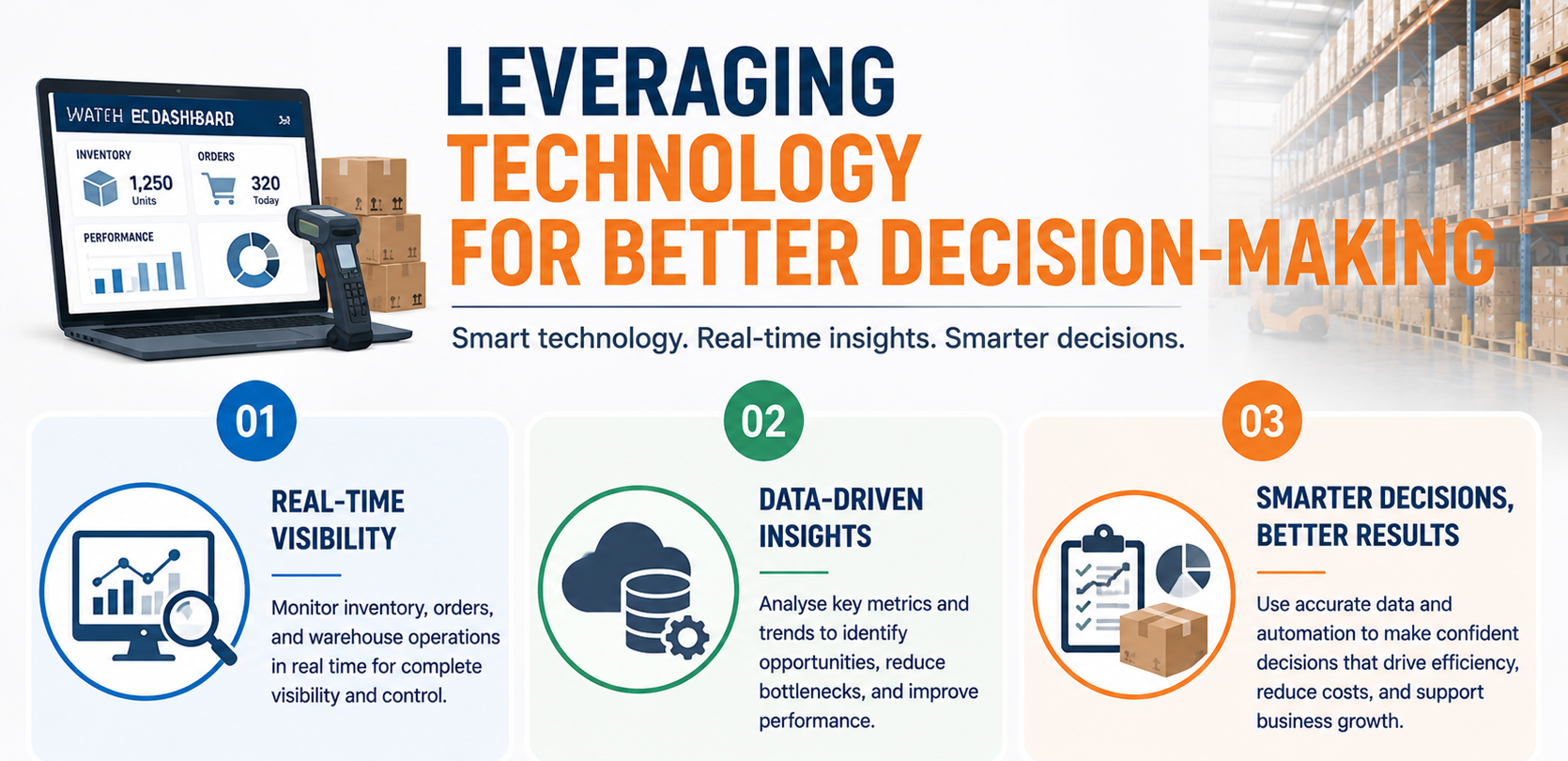
These technologies allow logistics companies to monitor key metrics such as inventory turnover, order accuracy, warehouse productivity, and fulfilment times. With access to real-time data, managers can identify inefficiencies, make informed decisions, and continuously improve operations.
For businesses operating in Brisbane and Adelaide, technology-driven warehousing provides a significant competitive advantage.
Strengthening Customer Satisfaction
Reliable warehousing directly contributes to a better customer experience. Accurate inventory records, faster order processing, and dependable deliveries help businesses meet customer expectations consistently.
Clients increasingly expect transparency and real-time updates throughout the supply chain. Effective warehouse management systems provide visibility into inventory and shipment status, helping logistics companies deliver a more responsive and professional service.
Strong customer satisfaction often leads to repeat business, long-term partnerships, and positive industry reputation.
Conclusion
As supply chains become more complex, robust warehouse management is playing an increasingly important role in logistics success. From improving inventory accuracy and fulfilment efficiency to supporting scalability and customer satisfaction, effective warehousing provides the operational foundation logistics companies need to thrive.
For logistics providers across Brisbane and Adelaide, investing in smart warehouse management systems and best-practice processes is not just an operational improvement. It is a strategic decision that supports sustainable growth, stronger client relationships, and long-term business success.
Optimise Your Warehouse Operations Today
Looking to improve efficiency, inventory accuracy, and order fulfilment performance? Partner with Proworld Logistics, the most trusted logistics company and discover warehouse management solutions tailored to your business needs in Brisbane and Adelaide. Call 1300776967 now.
Warehouse management refers to the processes, systems, and technologies used to control inventory, storage, order fulfilment, stock movement, and overall warehouse operations to ensure efficient supply chain performance. Efficient warehouse management reduces delays by optimising inventory placement, streamlining picking and packing processes, and ensuring orders are dispatched accurately and on time. Accurate inventory records help prevent stock shortages, overstocking, misplaced goods, and fulfilment errors, allowing logistics providers to deliver reliable service and maintain customer trust. A Warehouse Management System is specialised software that helps businesses monitor inventory, track stock movements, manage orders, optimise storage space, and improve warehouse efficiency in real time. Yes. Effective warehouse management minimises inventory errors, improves labour productivity, reduces storage inefficiencies, and helps businesses avoid unnecessary warehousing expenses. Scalable warehouse systems and processes enable logistics companies to handle increased inventory volumes, higher order demand, and new clients without sacrificing operational efficiency. Automation can improve picking accuracy, inventory tracking, stock replenishment, and order processing, helping warehouses operate faster and with fewer manual errors. By ensuring products are accurately stored, quickly located, and efficiently dispatched, warehouse management helps reduce delivery delays and fulfilment mistakes, leading to a better customer experience. Common challenges include inventory discrepancies, delayed shipments, inefficient use of storage space, increased labour costs, lower productivity, and reduced customer satisfaction. Businesses should evaluate factors such as scalability, system integration capabilities, real-time reporting, automation features, ease of use, and the ability to support future growth requirements.Your Warehouse Management Questions Answered

