
Transporting agricultural produce across Australia is a complex, time-sensitive process that requires precision, care, and coordination. In regions like Darwin, the Gold Coast, and the Sunshine Coast, freight transport companies play a vital role in ensuring fresh farm produce reaches markets efficiently while maintaining quality and compliance.
Understanding the Nature of Agricultural Freight
Agricultural produce is highly perishable and sensitive to environmental conditions. Fresh fruits, vegetables, dairy, and meat products require careful handling to prevent spoilage and contamination.
Reputable freight companies offering farm produce transportation in Darwin always consider factors such as:
- Temperature sensitivity
- Shelf life
- Packaging requirements
- Transit time
In tropical areas like Darwin, high temperatures and humidity make it even more critical to manage produce with precision, while coastal regions like the Gold Coast and Sunshine Coast require fast and efficient distribution to meet urban demand.
Cold Chain Logistics: Preserving Freshness
One of the most important aspects of agricultural freight is cold chain logistics. This involves maintaining a controlled temperature environment from the farm to the final destination.
Freight companies managing farm produce transportation in Gold Coast and other regions use refrigerated trucks, insulated containers, and temperature monitoring systems to ensure produce remains fresh throughout the journey. This is especially important for items like berries, leafy greens, seafood, and dairy products.
Even minor temperature fluctuations can lead to spoilage, making consistent monitoring essential for quality assurance.
Efficient Collection and Farm Gate Logistics
The logistics process begins at the farm gate. Freight providers coordinate closely with farmers to schedule timely pickups based on harvest cycles.
In regions such as the Sunshine Coast and Gold Coast, where farming is closely tied to local markets and exports, efficient collection systems are crucial. Transport companies often use:
- Pre-planned pickup schedules
- Consolidation hubs for multiple farms
- Rapid loading and dispatch systems
This ensures that produce spends minimal time idle, reducing the risk of deterioration.
Packaging and Handling for Safe Transport
Proper packaging plays a critical role in protecting agricultural goods during transit. Freight companies work with farmers and suppliers to use packaging that maintains freshness and prevents damage.
Common solutions include ventilated crates, moisture-resistant packaging, and stackable containers that maximise space while preventing crushing. Handling procedures are also strictly followed to avoid bruising and contamination.
Route Optimisation and Timely Deliveries
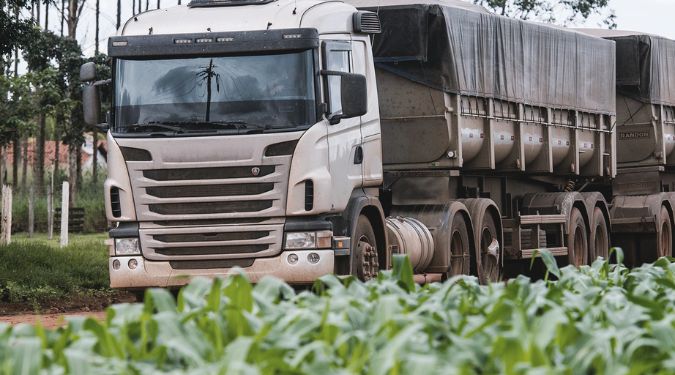
Speed is essential in agricultural logistics. Freight companies rely on route optimisation technologies to ensure produce is delivered as quickly as possible.
Advanced logistics systems help:
- Identify the fastest routes
- Avoid traffic and delays
- Coordinate multi-stop deliveries
In Darwin, where distances between farms and markets can be significant, efficient route planning is critical. Meanwhile, in the Gold Coast and Sunshine Coast, urban congestion makes real-time route adjustments essential for timely deliveries.
Compliance and Food Safety Standards
Transporting agricultural produce requires strict adherence to food safety regulations. Freight companies must comply with Australian standards for hygiene, temperature control, and traceability.
This includes:
- Regular vehicle sanitation
- Temperature logging and reporting
- Documentation for traceability
Compliance while providing agriculture freight transport services in Sunshine Coast ensures that produce meets quality standards and is safe for consumption when it reaches retailers or export markets.
Technology Enhancing Agricultural Freight
Modern freight companies are leveraging technology to improve efficiency and transparency. Real-time tracking systems allow both farmers and distributors to monitor shipments throughout the journey.
Sensors can track temperature, humidity, and location, providing valuable data that helps prevent losses and improve planning. This level of visibility is becoming increasingly important in high-demand regions.
Conclusion: Delivering Freshness Across Australia
Freight transport companies are the backbone of Australia’s agricultural supply chain, ensuring that fresh produce moves efficiently from farms to markets. In regions like Darwin, the Gold Coast, and the Sunshine Coast, their role is even more critical due to climate conditions and growing consumer demand.
By combining cold chain expertise, smart logistics, and strict compliance standards, these companies help maintain the quality, safety, and availability of agricultural products across the country.
Get Started with Fresh Produce
At Proworld Logistics, we excel as a logistics company. We are highly sought after due to our quality of services. Call 0484 110 000 to schedule an appointment with us or get a free estimate by clicking the Free Quote button at the top.
Freight for Agriculture FAQs
- How do freight companies handle mixed loads of different agricultural products?
They use compartmentalised storage and multi-temperature vehicles to transport different produce types simultaneously without compromising quality.
- What strategies minimise spoilage during long-distance transport from Darwin?
Freight providers rely on rapid transit schedules, pre-cooling techniques, and continuous temperature monitoring to maintain freshness over long distances.
- How do seasonal harvest variations affect freight planning?
Logistics companies scale resources, adjust routes, and increase fleet availability during peak harvest seasons to manage higher volumes efficiently.
- What role do consolidation hubs play in agricultural logistics?
They allow produce from multiple farms to be grouped, sorted, and dispatched efficiently, reducing costs and improving delivery timelines.
- How is traceability maintained throughout the supply chain?
Through digital tracking systems, barcode scanning, and detailed documentation that records each stage from farm pickup to final delivery.
- How do freight companies manage last-mile delivery for fresh produce in urban areas?
They use smaller, agile vehicles and optimised delivery routes to ensure quick distribution to retailers, markets, and customers.
- What challenges do tropical climates like Darwin present for produce transport?
High heat and humidity increase spoilage risks, requiring stricter temperature control, faster transit, and specialised packaging solutions.
- How do logistics providers ensure compliance with Australian food safety standards?
They follow strict hygiene protocols, maintain temperature logs, and conduct regular audits to meet regulatory requirements.
- What innovations are improving efficiency in agricultural freight?
Technologies like IoT sensors, GPS tracking, and automated logistics platforms are enhancing visibility, reducing delays, and improving decision-making.
- How do freight companies balance cost efficiency with quality preservation?
By optimising routes, consolidating shipments, and using advanced storage systems that reduce waste while maintaining product integrity.

