
The healthcare industry relies heavily on timely and secure transportation of critical medical supplies, equipment, and pharmaceuticals. With advancements in technology, the logistics behind healthcare services are evolving rapidly, ensuring faster, more efficient, and more reliable operations. Technology has revolutionised healthcare logistics by introducing automation, real-time tracking, and improved communication systems that are critical to providing high-quality patient care. In this blog, we’ll explore how technology is reshaping healthcare logistics and the impact on medical supplies and equipment transportation.
The Role of Technology in Enhancing Healthcare Logistics
Technology plays a pivotal role in ensuring the seamless movement of healthcare supplies. From pharmaceutical products to medical equipment, logistics services are becoming more efficient through the integration of smart technologies. Modern healthcare logistics services in Brisbane, for example, have adopted tools such as real-time tracking systems, data analytics, and IoT sensors to enhance visibility, reduce human error, and streamline operations.
Real-Time Tracking for Better Visibility
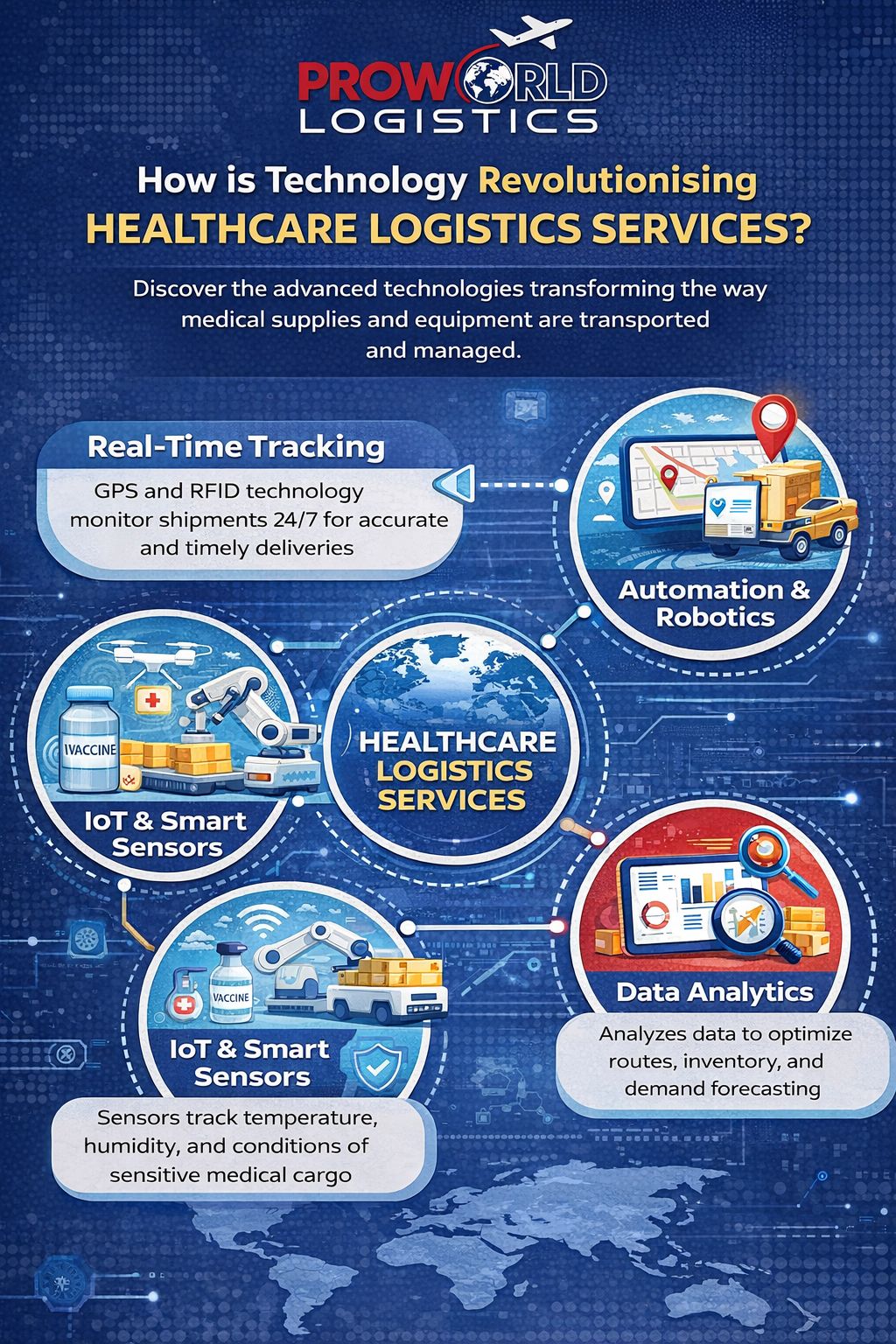
One of the most significant technological advancements in healthcare logistics is real-time tracking. By utilising GPS tracking and RFID technology, companies can monitor the location and status of shipments at all times. This is particularly critical for medical supplies transportation in Brisbane, where timely delivery can impact patient outcomes. With real-time tracking, healthcare providers can receive updates on the exact location of shipments and anticipate any potential delays, ensuring medical supplies arrive promptly.
Real-time tracking also enables better communication between all parties involved ensuring a seamless flow of information that helps to avoid errors and delays.
Automation and Robotics in Warehousing and Transportation
Automation has made its way into healthcare logistics, particularly in warehouses where medical equipment and supplies are stored. Robotics are now used to streamline the picking and packing process, reducing human labor and increasing the speed of operations. Medical Equipment Transportation in Brisbane is now more efficient, thanks to the integration of automated systems that handle large volumes of products with minimal intervention.
Automated vehicles, including drones and self-driving delivery vehicles, are becoming an emerging trend in healthcare logistics. These technologies can help deliver medical supplies and equipment in hard-to-reach areas, improving accessibility and reducing delivery times.
Data Analytics for Smarter Decisions
Data analytics is transforming decision-making in healthcare logistics. By analysing vast amounts of data, logistics providers can optimise routes, predict delivery times, and improve inventory management. For pharmaceutical logistics solutions in Brisbane, data analytics can help forecast demand, ensuring the right amount of stock is available at the right time. This proactive approach reduces the risk of stockouts and ensures that medical professionals have access to the necessary supplies when needed.
IoT Sensors for Temperature-Controlled Shipments
The transportation of temperature-sensitive medical supplies, such as vaccines or certain pharmaceuticals, requires strict temperature control throughout the journey. IoT (Internet of Things) sensors are revolutionising the way healthcare logistics handle healthcare logistics solutions in Brisbane by providing continuous monitoring of temperature, humidity, and other critical factors. If a shipment falls outside the required parameters, the system alerts the logistics provider, ensuring corrective action is taken immediately.
These sensors are particularly beneficial for medical supply transportation in Brisbane and pharmaceutical logistics solutions in Brisbane, where temperature control is essential to maintaining the efficacy and safety of the products.
Technology is transforming healthcare logistics in unprecedented ways. With advancements like real-time tracking, automation, data analytics, and IoT sensors, the industry is moving toward a more efficient, transparent, and secure system for delivering medical supplies, equipment, and pharmaceuticals. The integration of these technologies ensures that healthcare logistics services are faster, more reliable, and tailored to meet the growing demands of the healthcare sector.
If you’re looking for expert healthcare logistics solutions in Brisbane, Proworld Logistics is here to provide cutting-edge solutions for your medical supplies and equipment transportation needs.
Make An Appointment Today
Contact Proworld Logistics today and experience the future of healthcare logistics. For more information, contact us at 0484 110 000 or email us at jknoll@proworldlogistics.com.au.
Healthcare Logistics FAQs
- How is technology improving the efficiency of healthcare logistics services?
Technology enhances the efficiency of healthcare logistics by automating processes, optimising routes, and providing real-time tracking. These advancements reduce human error, improve inventory management, and ensure faster deliveries of medical supplies and equipment, ultimately enhancing patient care.
- What role does real-time tracking play in healthcare logistics?
Real-time tracking allows healthcare providers and logistics companies to monitor the exact location and status of shipments at all times. This ensures timely delivery of medical supplies and equipment, reduces delays, and provides transparency for all parties involved in the logistics process.
- How does automation impact healthcare logistics services?
Automation streamlines the movement of medical supplies, such as in warehousing where robots and automated systems handle inventory management, packing, and sorting. This increases operational speed, reduces human labor, and ensures accurate, efficient healthcare logistics, especially for medical equipment transportation in Brisbane.
- What is the significance of IoT sensors in healthcare logistics?
IoT sensors monitor temperature, humidity, and other conditions throughout the transportation process. For temperature-sensitive medical supplies, such as vaccines, these sensors ensure proper storage and transport conditions are maintained, providing peace of mind that supplies will remain safe and effective.
- How does data analytics help healthcare logistics providers?
Data analytics enables logistics providers to optimise delivery routes, predict demand for medical supplies, and improve inventory management. This leads to more efficient operations and helps reduce the risk of stockouts or overstocking, particularly in pharmaceutical logistics solutions in Brisbane.
- What technologies are used in medical equipment transportation?
For medical equipment transportation in Brisbane, technologies such as automated vehicles, drones, and GPS tracking systems are being used. These technologies enhance delivery speed, reduce human error, and ensure medical equipment reaches its destination securely and on time.
- How does technology help improve the safety of medical supply transportation?
Technology, such as real-time monitoring systems, GPS tracking, and IoT sensors, enhances the safety of medical supply transportation by providing constant updates on the condition of the shipment. This ensures that medical supplies remain secure, especially for temperature-sensitive items like vaccines or medications.
- Can technology reduce the costs associated with healthcare logistics?
Yes, by automating processes, optimising routes, and providing predictive analytics, technology helps reduce operational costs in healthcare logistics. It streamlines warehousing, reduces delays, and minimises errors, all of which contribute to cost savings in the logistics process.
- How are drones and autonomous vehicles transforming healthcare logistics?
Drones and autonomous vehicles are revolutionising healthcare logistics by enabling quicker deliveries, especially to remote or hard-to-reach areas. These technologies reduce delivery times for urgent medical supplies, improving access and efficiency in medical supply transportation in Brisbane.
- What is the future of healthcare logistics services with technology?
The future of healthcare logistics will see further advancements in automation, AI-driven analytics, and more widespread use of drones and autonomous vehicles. The integration of these technologies will make healthcare logistics even more efficient, secure, and transparent, improving service delivery across the entire supply chain.

