
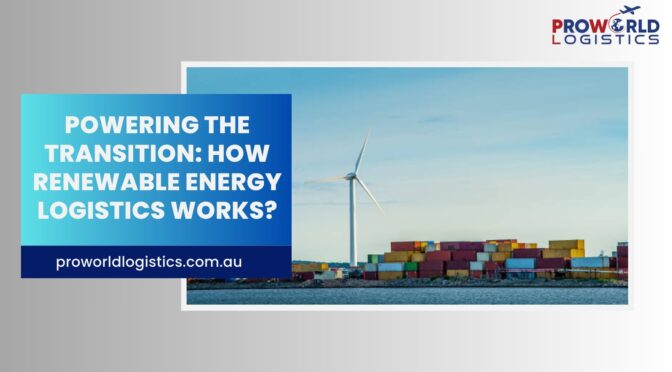
As Adelaide continues to lead South Australia’s shift towards clean energy, the spotlight is not only on solar farms and wind turbines—but also on the logistics that make these projects possible. Behind every renewable energy installation lies a carefully coordinated supply chain, ensuring that equipment, materials, and expertise arrive at the right place, at the right time.
Understanding how renewable energy logistics Adelaide is handled reveals the complexity—and importance—of efficient planning in powering a sustainable future.
The Scale and Complexity of Renewable Projects
Renewable energy infrastructure is far from plug-and-play. Wind turbines, for example, consist of massive blades, towers, and nacelles that require specialised transport. Similarly, large-scale solar farms involve thousands of panels, mounting systems, inverters, and cabling.
In Adelaide and surrounding regions, logistics providers must navigate:
- Oversized and heavy loads
- Remote or semi-rural project locations
- Tight construction timelines
- Environmental and regulatory considerations
This makes logistics planning a critical early-stage activity, not an afterthought.
Strategic Planning and Route Management
Before a single component is moved, detailed planning takes place. Logistics teams conduct route surveys to assess road conditions, bridge capacities, and potential obstacles such as low-clearance structures.
In South Australia, transporting wind turbine components to regional sites often requires:
- Escort vehicles and permits for oversized loads
- Temporary road modifications or traffic management plans
- Coordination with local councils and authorities
By mapping out every step, logistics providers minimise delays and ensure safe renewable energy equipment transportation Adelaide.
Port Handling and International Freight
Much of the equipment used in renewable projects is imported. Adelaide’s port facilities play a crucial role in receiving and handling these shipments.
Once cargo arrives, it undergoes:
- Customs clearance and compliance checks
- Heavy-lift unloading using specialised cranes
- Temporary storage and staging for transport
Efficient port logistics ensure that components move seamlessly from international suppliers to local project sites without bottlenecks.
Specialised Transport Solutions
Transporting renewable energy equipment requires more than standard freight services. Logistics companies use specialised vehicles such as extendable trailers, hydraulic platforms, and modular transport systems.
For example:
- Wind turbine blades may exceed 60 metres in length
- Transformers and substations can weigh several tonnes
- Solar panel shipments must be handled with care to avoid damage
Providers of renewable energy freight services Adelaide combine engineering expertise with transport solutions to safely move these components across varying terrains.
Warehousing and Inventory Coordination
Renewable projects often involve phased construction, meaning not all materials are needed at once. Warehousing plays a key role in storing and managing inventory until it is required on-site.
Modern logistics operations utilise:
- Real-time inventory tracking systems
- Just-in-time delivery models
- Secure storage facilities near project zones
This approach reduces on-site congestion, minimises risk of damage, and keeps construction timelines on track.
Sustainability in Logistics Operations
It may seem ironic, but renewable energy projects can have a significant carbon footprint during construction. That’s why many logistics providers in Adelaide are adopting greener practices, such as:
- Optimising transport routes to reduce fuel consumption
- Using low-emission vehicles where possible
- Consolidating shipments to minimise trips
Sustainable renewable energy equipment logistics Adelaide ensures that the journey towards clean energy aligns with its environmental goals.
Collaboration is Key
Renewable energy logistics is a collaborative effort involving developers, engineers, logistics providers, local authorities, and community stakeholders.
Clear communication between all parties helps to:
- Prevent costly delays
- Address site-specific challenges
- Ensure compliance with safety and environmental standards
In a growing hub like Adelaide, this collaboration is essential to support the rapid expansion of renewable infrastructure.
Driving Adelaide’s Clean Energy Future
As South Australia continues to invest in wind, solar, and battery storage projects, logistics will remain a backbone of progress. Efficient handling of materials and transport not only ensures project success but also strengthens Adelaide’s position as a leader in renewable energy.
By combining advanced planning, specialised transport, and sustainable practices, renewable energy logistics is helping turn ambitious clean energy goals into reality.
Get Expert Support for Renewable Energy Logistics
Planning a renewable energy project in Adelaide? Partner with Proworld Logistics, your trusted logistics company offering safe transport, timely delivery, and seamless project execution. Call 0484 110 000 or click the Free Quote button at the top and fill out the form to get an estimate.
Frequently Asked Questions About How Renewable Energy Logistics Works?
- How early should logistics planning begin in a renewable energy project lifecycle?
Logistics planning should start during the feasibility stage, as transport constraints and site access can influence design decisions, timelines, and overall project costs.
- What are the biggest logistical challenges unique to wind energy projects in South Australia?
Wind projects often involve transporting extremely long blades through regional roads, requiring route modifications, police escorts, and careful timing to minimise disruption.
- How do seasonal conditions in Adelaide impact renewable energy logistics?
Extreme heat, bushfire risks, and occasional heavy rains can affect transport schedules, road safety, and site accessibility, requiring flexible contingency planning.
- What compliance requirements must logistics providers meet for oversized renewable energy components?
Providers must adhere to state transport regulations, secure permits, follow escort requirements, and comply with safety and environmental guidelines set by authorities.
- How does port congestion affect renewable energy project timelines?
Delays at ports can disrupt the entire supply chain, pushing back installation schedules. Efficient coordination and pre-booked handling slots help mitigate this risk.
- What role does digital tracking play in renewable energy logistics?
Advanced tracking systems provide real-time visibility of shipments, improve coordination between stakeholders, and help quickly address delays or disruptions.
- How are risks managed when transporting high-value renewable energy equipment?
Risk management includes specialised packaging, route risk assessments, insurance coverage, and contingency plans for delays, damage, or unforeseen obstacles.
- Can local sourcing reduce logistical complexity in renewable energy projects?
Yes. Sourcing materials locally where possible reduces transport distances, lowers costs, and minimises risks associated with international shipping delays.
- How do logistics providers handle last-mile delivery to remote renewable energy sites?
They use tailored solutions such as temporary access roads, specialised vehicles, and staged deliveries to safely transport equipment to challenging locations.
- What innovations are improving renewable energy logistics efficiency in Australia?
Innovations include AI-driven route optimisation, modular transport systems, digital supply chain platforms, and increased adoption of low-emission logistics practices.

